

What are Zoonoses?
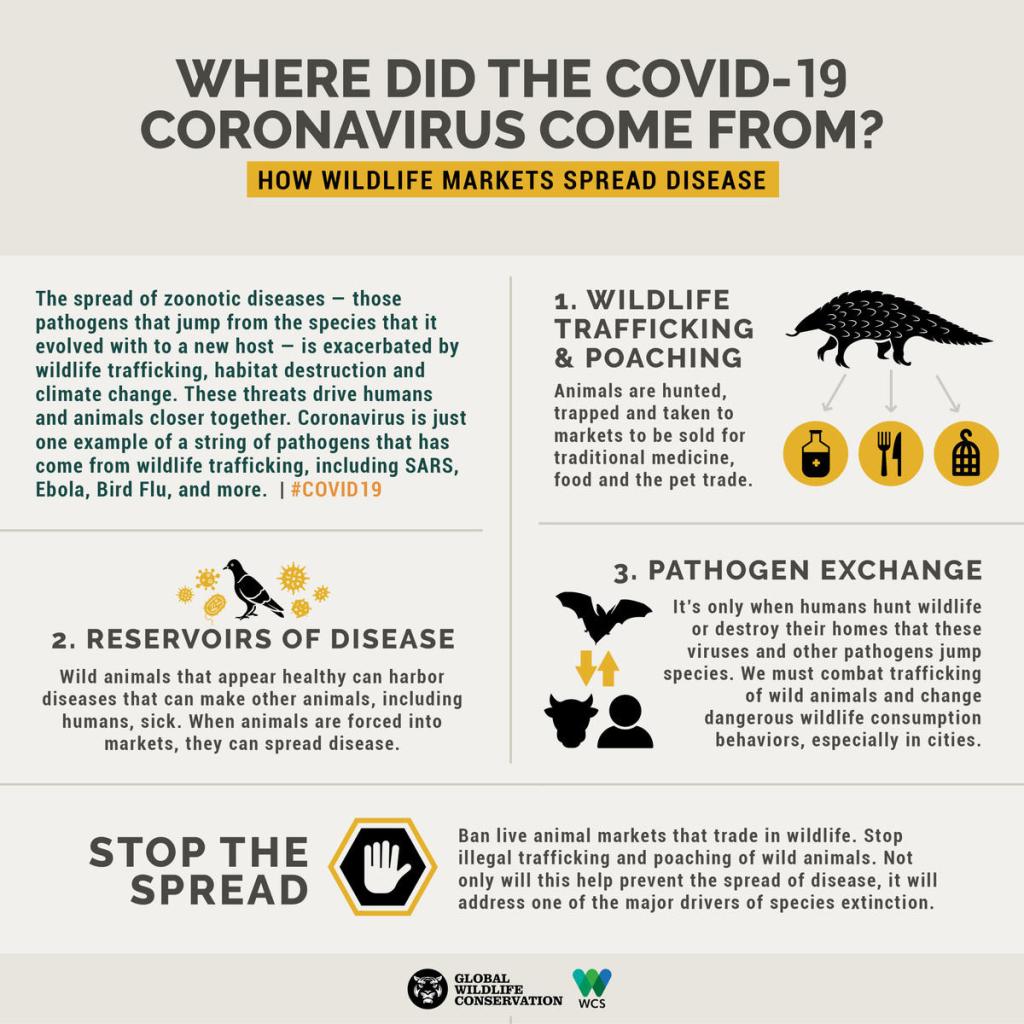
A zoonosis is an infectious disease that has jumped from a non-human animal to humans. Zoonotic pathogens may be bacterial, viral or parasitic, or may involve unconventional agents and can spread to humans through direct contact or through food, water or the environment.
(Credited to WHO)
Impact
Zoonotic health risks and concerns are also relevant to local communities of hunters, trappers, and fishers across the region. Commercialization of wildlife for food has been, and continues to be promoted in northern communities and regions. Larger-scale commercial trade of wildlife from Arctic and boreal biomes is highly regulated, and falls under similar food safety inspection as meat from domestic animals, which not only lowers the risk of zoonotic disease transmission but also protects the food and economic security of Indigenous and local communities who rely on wildlife.
Maintaining and strengthening current surveillance systems for wildlife health and zoonoses, based on populations with the highest contact rates with wildlife, is an important component of an improved health infrastructure across the North. These systems can help detect, define, and control local human emergence of zoonoses while still geographically confined. For many Indigenous cultures around the Arctic, wildlife as food, and food sharing, are fundamental components of a cultural value system that emphasizes generosity, reciprocity, and cooperation, and usually operates within networks related to kinship and family social
groups within the community.
(Credited by Keatts et al., 2021)
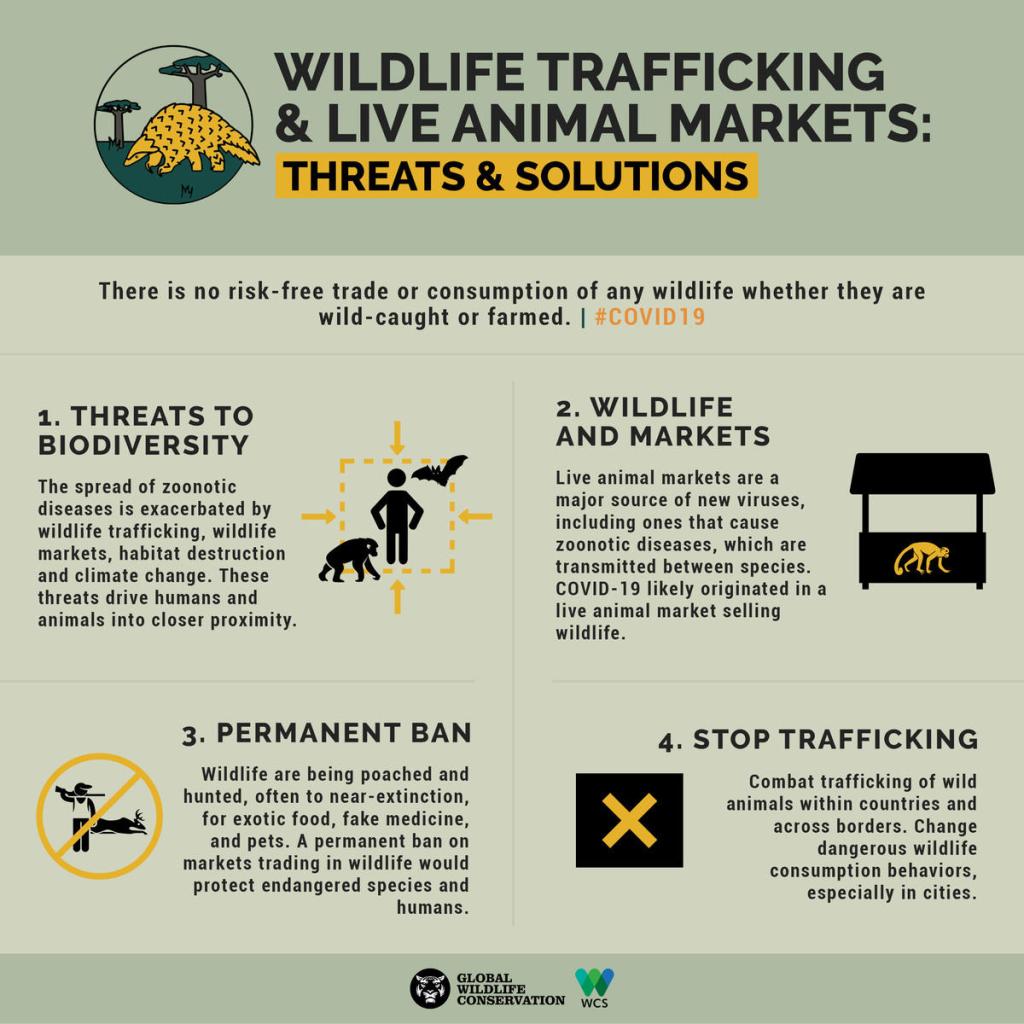
The current coronavirus outbreak is a stark reminder of the need for early warning systems for emerging diseases and zoonoses. These remote forests and the communities that depend upon them are some of the most vulnerable to a future zoonotic disease epidemic: at the frontline of the human -wildlife-ecosystem interface and yet with some of the poorest access to public health infrastructure. The WCS Health Program and its partners are committed to supporting the early warning system it has put in place in these remote areas, to detect as yet unknown zoonotic viruses and in protecting vulnerable communities and biodiversity.
(Credited to https://wcscongoblog.org/zoonotic-viruses-preventing-epidemics-by-monitoring-wildlife-mortality/)
 ONE HEALTH | WCS