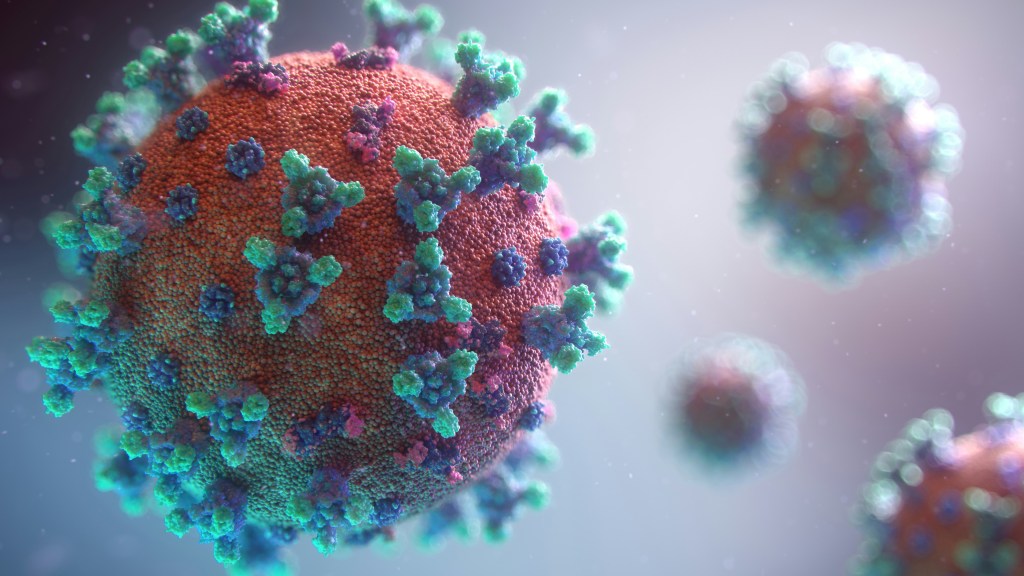
The Wildlife Conservation Society’s ultimate goal is a long-lasting knowledge gathering and sharing network within and across communities in Alaska. We are piloting a participatory surveillance network for SARS-CoV-2, the virus that causes COVID-19 disease in humans, and Avian Influenza in three communities in Alaska. These viruses have the potential to impact food sovereignty and food security in rural Alaskan communities where wildlife hold important nutritional and cultural value. It is not yet known the extent to which these viruses may impact wild and domestic animals, and humans in this unique context. We are working with Indigenous and local community members to establish disease surveillance in multiple areas, including harvested animals, human wastewater, urban wildlife, and domestic animals. Social science methods are being used to support the co-development of a scientifically, socially, and culturally beneficial and impactful surveillance system. These collaborations will direct sampling efforts, communication of findings, and investigations and responses to spillover/spillback events. By using both Indigenous and place-based knowledges, and biological sampling techniques we aim to advance Indigenous Peoples’ self-determination in research, while creating mutual animal and human health benefits.
 ONE HEALTH | WCS